Communications Parts and IT Peripheral
Accessories Manufacturer
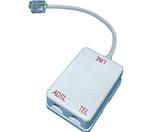
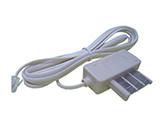
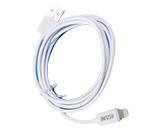
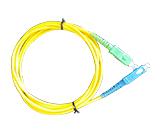
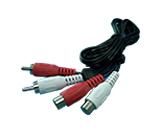
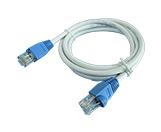
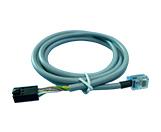
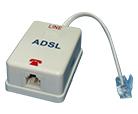
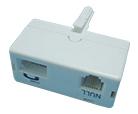
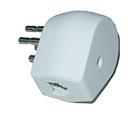
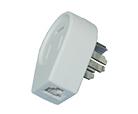
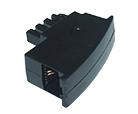
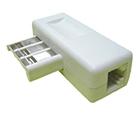
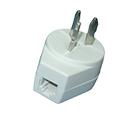
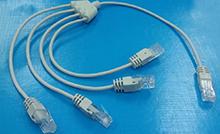
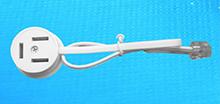
Dongguan Fuxin Electronics Co. was founded in 2004 and is a specialized manufacturer of communications products and peripheral IT accessories. We provide our valued customers with products like ADSL filter splitters, telephone adapters, USB cables, audio video cables, fiber optic cables, network cables, wire harnesses, and much more. Using a combination of quality raw materials, advanced production equipment, and highly trained personnel, we produce products of outstanding quality that we are proud to put our name on. Our company produces 3.5 million xDSL filters, 5 million telephone plugs and 10 million finished wire products every year. Contact us today to learn more!
Our Range
As a manufacturer of telephone accessories, we have rich production experience. Strict control on raw materials, plentiful production equipment and quality testing machines and our experienced staff will provide you best service to satisfy your requirements. If you want to buy ADSL Filter Splitter, Telephone Adapter, USB Cable, Audio Video Cables, Fiber Optic Cable, Network Cables, Wire Harness or other communication parts, welcome to contact us!
We can provide OEM services to our customers. OEM products include: DSL Filter Splitter, telephone adapter, network cable, telephone line, etc. In addition to providing OEMs to our customers, we also offer ODM services to different customers.
We have 6 experienced designers, equipping electroacoustic testers, Ati frequency analyzers, network analyzers, oscilloscopes and EOX2800 RoHS analyzers and other assist equipment to ensure our design capabilities and efficiency.